NGINX Inspector: A Lightweight Tool for Smarter NGINX Monitoring & Troubleshooting
Managing modern server infrastructure is no longer just about deploying applications. Today, developers and DevOps engineers must constantly monitor web servers, reverse proxies, SSL configurations, and deployment pipelines to ensure applications stay online and performant.
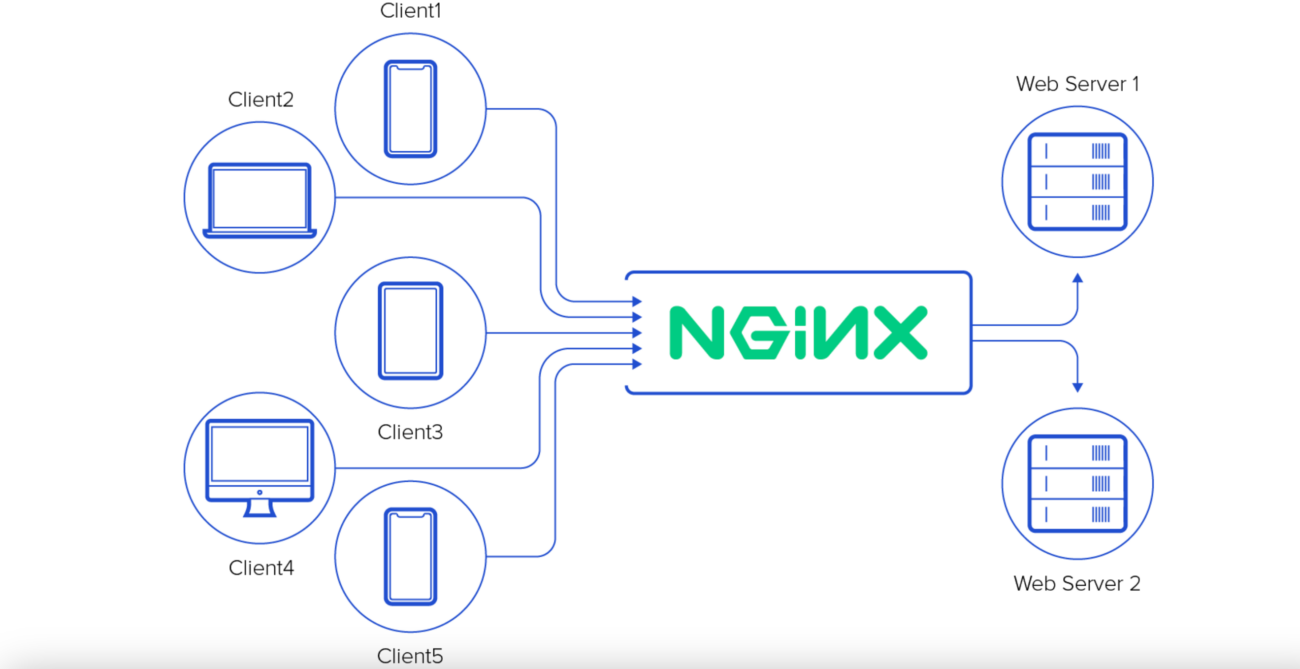
Among all web servers, NGINX remains one of the most widely used technologies for:
- Reverse proxying
- Load balancing
- API gateway management
- Static website hosting
- Kubernetes ingress routing
- Dockerized application deployment
However, troubleshooting NGINX issues in production environments can become difficult and time-consuming.
That’s where nginx-inspector comes in — a lightweight open-source tool designed to simplify NGINX inspection, validation, and troubleshooting.
What is nginx-inspector?
nginx-inspector is a practical utility built to help developers and system administrators inspect and diagnose NGINX environments quickly and efficiently.
Instead of manually checking multiple configuration files, service states, and reverse proxy rules, this tool helps streamline the inspection process.
It is especially useful for:
- DevOps engineers
- System administrators
- Cloud engineers
- Backend developers
- Infrastructure teams
- Freelancers managing VPS servers
Why NGINX Monitoring Matters
Modern applications heavily depend on NGINX infrastructure.
Whether you’re hosting:
- Next.js applications
- Node.js APIs
- Microservices
- Docker containers
- Kubernetes workloads
NGINX often sits at the center of the infrastructure stack.
A small misconfiguration can instantly break production deployments.
Common issues include:
nginx: [emerg] host not found in upstream
Or:
SSL certificate expired
Or even:
502 Bad Gateway
Without proper inspection tooling, diagnosing these issues can take significant time.
Key Features of nginx-inspector
1. Fast NGINX Health Inspection
The tool helps quickly inspect NGINX service status and detect configuration problems before they become critical.
This reduces debugging time and improves operational efficiency.
2. Lightweight and Developer Friendly
Unlike heavy enterprise monitoring systems, nginx-inspector is lightweight and simple to use.
It works well across environments such as:
- Ubuntu servers
- VPS hosting
- Docker containers
- Kubernetes nodes
- Bare-metal infrastructure
Its CLI-based workflow makes it especially useful for SSH-based server management.
3. Ideal for CI/CD Pipelines
The tool can be integrated into CI/CD workflows such as:
- GitLab CI/CD
- Jenkins pipelines
- Docker deployments
This enables automatic validation before deployment.
Example:
nginx -t
Automated validation can help prevent broken deployments and reduce downtime.
4. Reverse Proxy Troubleshooting
Modern web applications often rely on NGINX as a reverse proxy.
However, debugging issues like:
- Upstream connection failures
- Port mismatches
- DNS resolution errors
- SSL handshake problems
can quickly become frustrating in production systems.
nginx-inspector helps simplify this troubleshooting process.
5. Open Source and Flexible
Because nginx-inspector is open source, developers can customize and extend it according to their infrastructure requirements.
This flexibility makes it valuable for both small startups and large-scale infrastructure environments.
Real-World Use Cases
DevOps Teams
Validate NGINX configurations before production deployments.
Hosting Providers
Monitor multi-domain server environments efficiently.
Kubernetes Infrastructure
Troubleshoot ingress-related routing problems in Kubernetes clusters.
Freelance Developers
Manage and maintain client VPS servers more effectively.
SaaS Platforms
Automate reverse proxy validation and monitoring.
Why Open-Source Infrastructure Tools Matter
The DevOps ecosystem is evolving rapidly, and open-source tooling plays a major role in infrastructure reliability.
Custom lightweight tools like nginx-inspector help organizations:
- Improve infrastructure visibility
- Reduce debugging complexity
- Automate repetitive tasks
- Detect issues faster
- Minimize downtime
Instead of relying solely on large monitoring platforms, focused utilities often provide faster and more practical workflows for day-to-day operations.
Final Thoughts
If you regularly work with:
- NGINX servers
- Docker deployments
- Kubernetes ingress controllers
- Reverse proxy configurations
- Production infrastructure
then nginx-inspector can become a valuable addition to your workflow.
Its lightweight design, practical inspection capabilities, and developer-friendly approach make it a useful utility for modern infrastructure management.
